Chapter 16 Lectures
Therapy
[Ready for Fall 2026]
Modified: 2026-08-03 12:15 AM CDST
- Even the GOAT needs help, sometimes (p. 549)
- Simone Biles is recognized as the greatest gymnast of all time, for good reason.
- APPROACHES TO TREATING PSYCHOLOGICAL DISORDERS (p. 550)
- History of
Therapy
- Therapy of one sort or another has always been around, but its form has changed over the years
- Classic Greece: milieu therapy
- Early Midde Ages: monks and clergy provided humane therapy
- Late Middle Ages: the rise of demonic possession theory and exorcism
- 18th Century: Pinel and his reforms
- 19th Century: Dorethea Dix
- Early 20th Century: The large mental institution
- Late 20th Century to present: psychoactive drugs and community-based outpatient therapy
- PSYCHOTHERAPY (p. 552)
- Types of
Therapists
- Clinical psychologist (PhD or PsyD)
- Counseling psychologist (Phd or PsyD)
- Currently, some psychologists have prescription privileges in Louisiana, New Mexico, and Illinois.
- Psychiatrist (Medical doctor, MD)
- Psychoanalyst, MD plus training at a psychoanalytic institute)
- Social worker (MSW or rarely, DSW)
- Assessing
Psychopathology
- Answer three questions:
- Does the client have a problem?
- If yes, what is the problem?
- How should the problem be treated?
- INTERSECTION: Clinical Psychology and Perception: Can We Predict the Therapeutic Alliance from How a Client Sounds? (p.555)
- Four features of speech were analyzed:
- Fundamental frequency
- Pauses
- Speech rate
- Jitter
- Pausing and Jitter indicated increase client stress.
- Psychoanalytic
Therapy
- Derived from Freud's approach
- Search for repressed feelings, thoughts, and motives
- Use free association and symbolic dream analysis
- Transference and
Countertransference
- Nature of therapy
- Ethics of therapy
- Transference
- Judd Hirsh and Timothy Hutton in Ordinary People, notice how Hutton's character is screaming at Hirsch's therapist as if he were the dead brother who drowned. That's transference. Click HERE
- Countertransference
- Therapists are humans so they, too, develop emotional responses to their clients or patients. However, they are taught to not respond to those emotions.
- Humanistic and
Client-Centered (Cognitive Therapies)
- Clients vs patients
- Reject medical model
- Partnership of therapist and client
- Client's self-understanding is key
- Genuineness essential for human growth.
- Behavioral
Therapy
- From learning and conditioning theory
- Attack symptoms, not causes
- Counterconditioning
- Systematic desensitization-works well for phobias
- Extinction
- Flooding
- Implosive therapy
- Token economies
- Modeling
- Aversive conditioning-client agrees to suffer bad consequences of behavior (e.g., taking antabuse, a drug that would make client vomit after imbibing alcohol.
- Popular form of therapy today
- Cognitive-Behavioral
Therapy
- Based on Bandura's cognitive learning approach
- Ellis' Rational-Emotive therapy
- Irrational
Beliefs
- Both Ellis's and Beck's theories seek to disabuse clients of their automatic irrational beliefs
- Look at the list of irrational beliefs. Do you possess any of those?
- Beck's therapy
- Stress inoculation
- Social problem solving
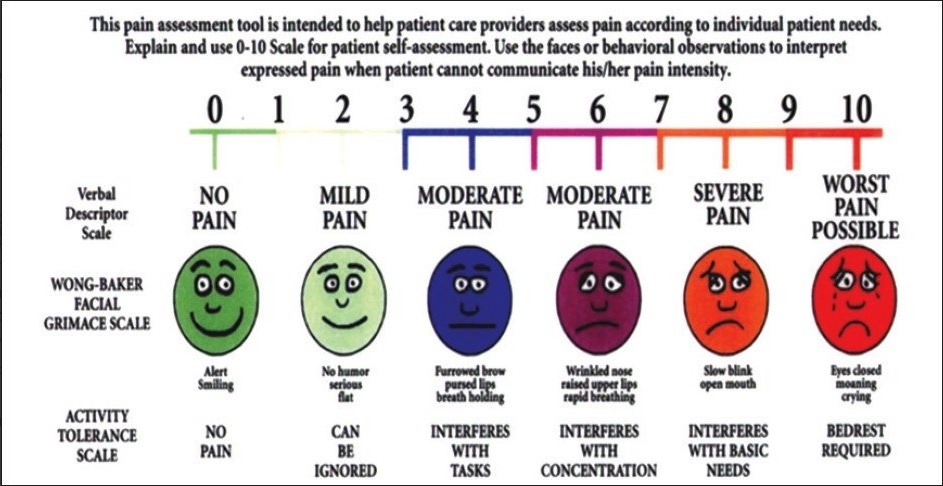
- Scaling-rating self on intensity of a stimulus (e.g., fear)
- Emergency room staff might ask you to scale the level of pain you are suffering on a scale of 1 to 10
- Note that pain is subjective, meaning that different people will report pain in their own way.
- Effectiveness of
Therapy
- Therapy works, but many factors interact:
- diagnosis match to actual treatment
- the therapist
- the client
- the therapeutic alliance
- BIOLOGICAL THERAPIES (p. 562)
- Biotherapies
- Psychosurgery (not commonly practiced)
- Electroconvulsive therapy (ECT)
- Sets off a temporary seizure in the brain
- Drug therapies
- Lithium for bipolar disorders
- SOCIOCULTURAL APPROACHES AND ISSUES IN TREATMENT (p. 567)
- Group therapy
- Clients meet as a group and share personal information
- Six factors in group therapy:
- information
- universality
- altruism
- positive group feedback
- development of social skills
- interpersonal learning
- AA and Therapy
- Alcoholics Anonymous 12-step plan
- Worldwide
- Creates new life structure for members
- Meetings can be found anywhere (even in Magnolia)
- FYI, my brother has been sober for over 40 years.
- He attended the local meetings when visiting and was surprised that everyone at the meeting knew me. (Not because I was a member, but because Magnolia is a small town
- He lives near Washington, DC
- Secret AA code: "Are you a friend of Bill's?"
- So, if a stranger asks you that question and you seem clueless, that's the end of that conversation.
- But, if you know the code you know that the stranger is asking you about AA and needs information about meetings and the location.
- "Bill" refers to Bill Wilson (1895-1971), the founder of Alcoholics Anonymous.
- THERAPIES AND HEALTH AND WELLNESS (p. 574)
Back to General Psychology